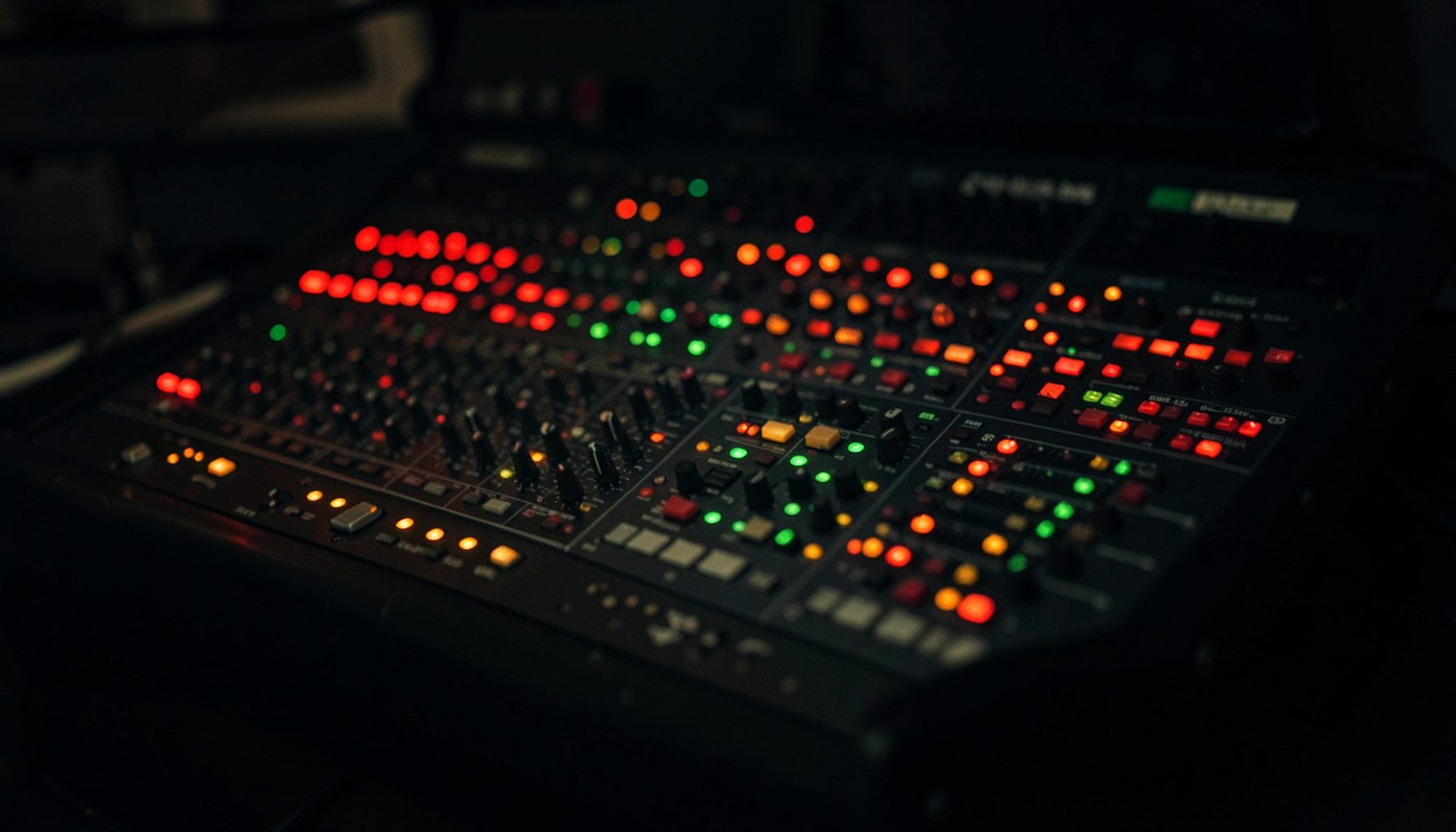
The G Series Computer
Solid State Logic had already introduced a mixing console featuring an integrated studio computer in 1977 with the SL4000B, followed by the SL4000E in 1981. The G series computer took this concept further, offering comprehensive recording project management alongside support for VCA automation, moving fader automation (Ultimation), and Total Recall.
The computer itself was housed in a large 19-inch rack mount case with 5.25-inch disk drives — a substantial piece of hardware that became the nerve center of countless professional studios throughout the 1980s and beyond.
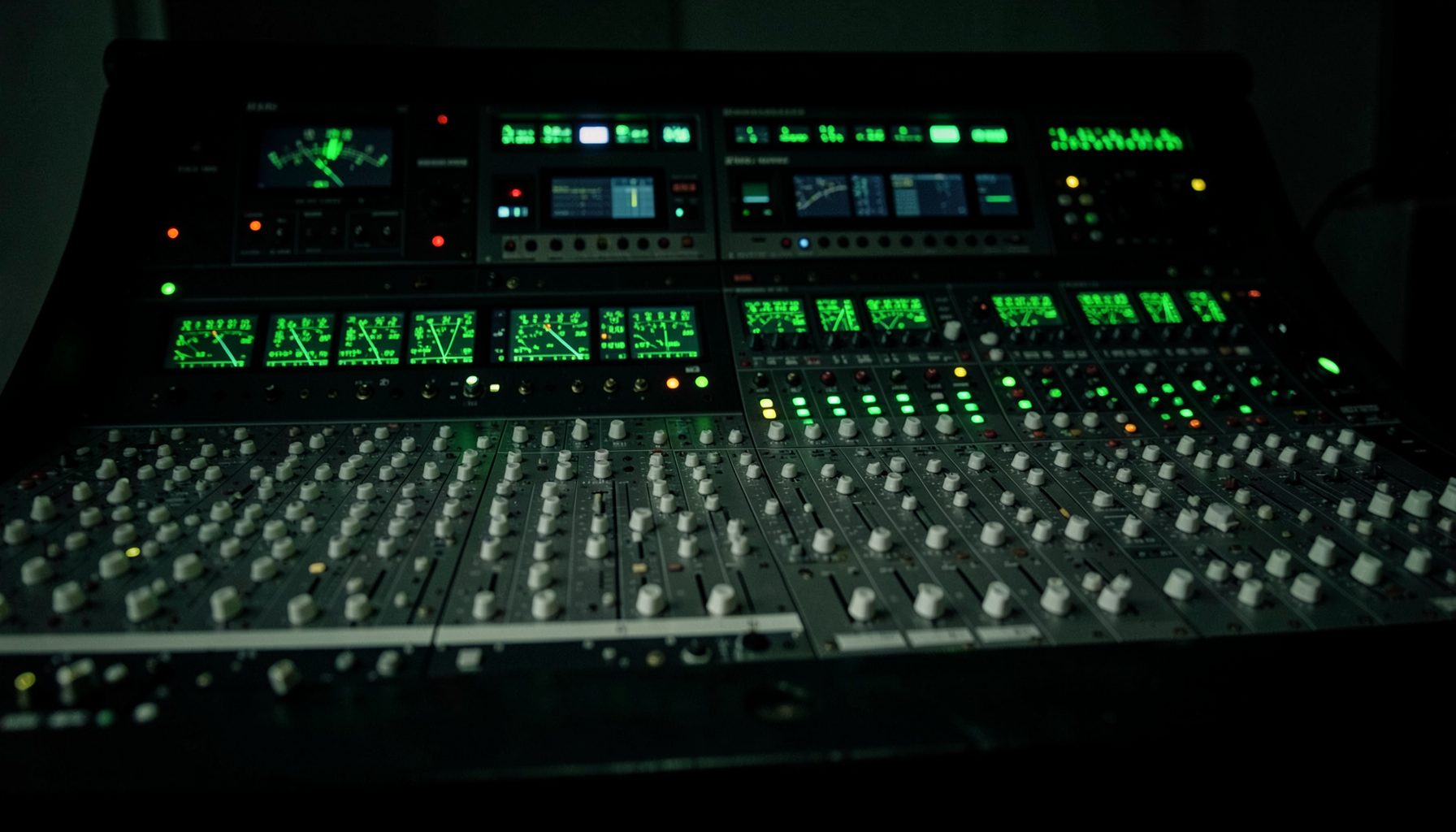
Capabilities
The G series computer was far more than a simple automation controller. It provided engineers with a complete project management environment, handling multiple facets of a mix session:
- VCA Automation — Fader levels controlled via Voltage Controlled Amplifiers, enabling pure electronic level automation without mechanical fader movement.
- Moving Fader Automation (Ultimation) — SSL's motorized fader system that physically moved faders during playback, giving engineers tactile feedback and visual confirmation of automated moves.
- Total Recall — The ability to memorize and recall the positions and settings of every knob and switch across the entire console, a revolutionary feature that allowed engineers to revisit mixes with perfect accuracy.
- Project Management — Session organization, track naming, and mix data storage — all managed from the computer's interface.
Hardware & Processor
At the heart of the G series computer was an 8-bit Zilog Z80 processor — an improved clone of the Intel 8080. The Z80 was a capable chip for its era: faster than the MOS 6502 (found in the Commodore 64) but slower than the Motorola 68000 (which powered the Amiga, Atari ST, and early Macintosh).
The Z80 was typically clocked at 4 or 8 MHz in most applications; the exact clock speed used in the SSL implementation remains unconfirmed. Regardless, the processor proved more than adequate for managing the console's automation data and project storage needs.
Historical Timeline
| Year | Milestone |
|---|---|
| 1977 | SSL SL4000B — first SSL console with integrated studio computer |
| 1981 | SSL SL4000E — studio computer with optional Total Recall |
| 1980s | G series computer — VCA automation, Ultimation, Total Recall, and project management |
| Later | G+ series adds motorized fader automation options; larger 64+ channel frames labeled SL8000 |
The G series computer cemented SSL's reputation as the leader in console automation, and its influence can still be felt in modern DAW-controlled workflows.
Explore Further
Learn more about the consoles this computer controlled, and the automation technologies it pioneered.