Origins
Colin Sanders founded Solid State Logic in 1969. The company's first products were control systems for pipe organs — an unlikely beginning for what would become one of the most influential names in professional audio.
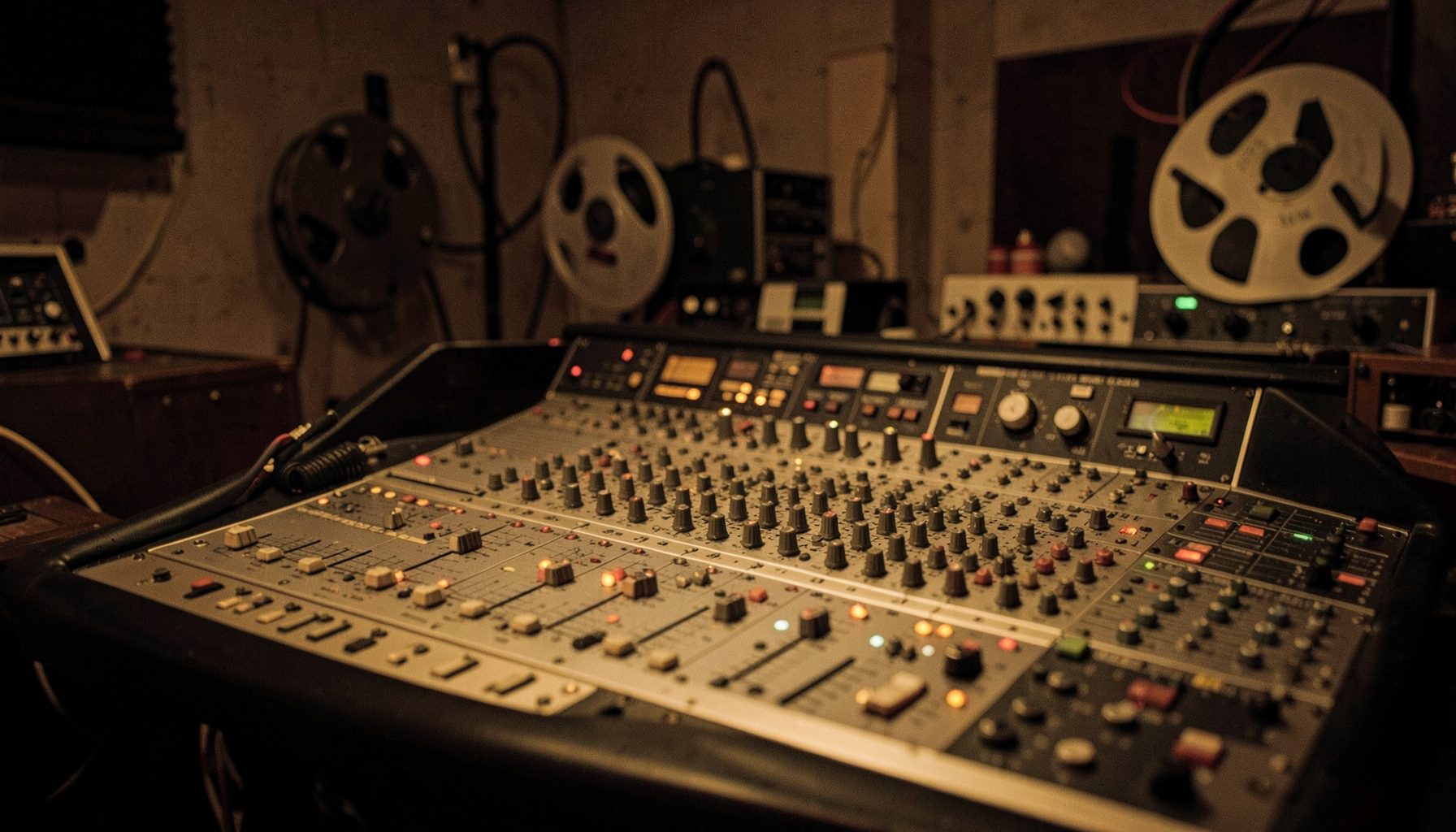
Sanders also owned Acorn recording studios, and it was there that he began building his own mixing consoles. Frustrated with the tools available, he set out to create something better. By 1975, he had developed the SL4000 — the console that would become SSL's flagship product for decades.
The SL4000 Series Evolution
| Year | Series | Details |
|---|---|---|
| 1975 | SL4000 "A" | Only 2 units produced. The first SSL mixing console. |
| 1977 | SL4000 "B" | 6 units built. Introduced an integrated studio computer — a groundbreaking feature at the time. |
| Late 1970s | SL4000 "E" | Brought worldwide success. Featured the studio computer and optional Total Recall, which memorized knob and switch positions across the entire console. |
| 1980s | SL4000 "G" | Added VCA automation, new EQs, and the G series computer. The G+ later offered motorized fader automation (Ultimation). Larger 64+ channel versions were labeled SL8000. |
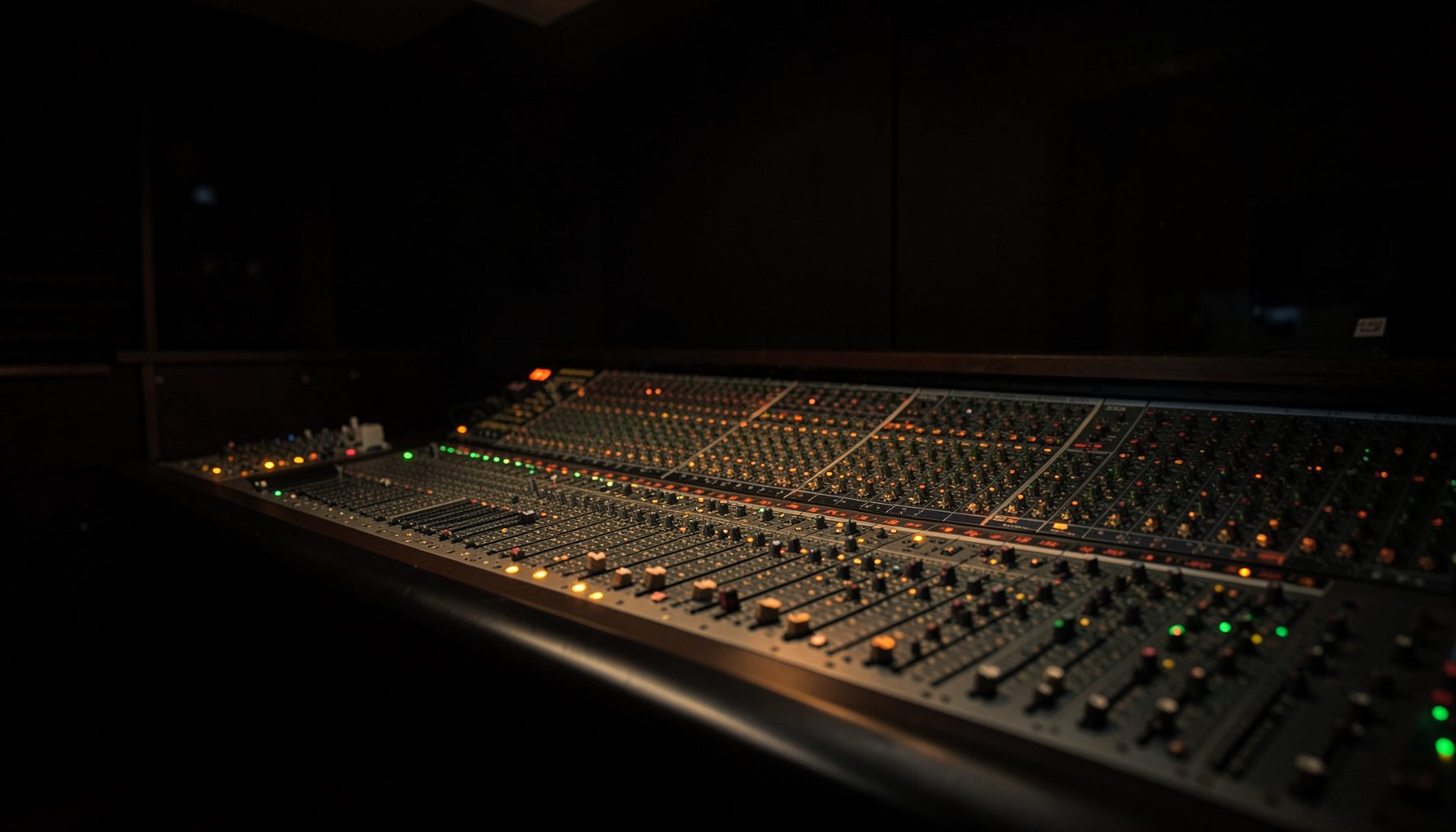
The SL4000 E/G series revolutionized recording. With 32 or more channels featuring a powerful EQ, a compressor and sidechain on every channel, plus a stereo bus compressor, it helped create the precise, punchy drum sounds that defined the sound of the 1980s.
Beyond the 4000
The SL8000G added enhanced stereo features and Ultimation motorized faders. Over time, many G series features were integrated back into the 4000 series, blurring the line between the two product lines.
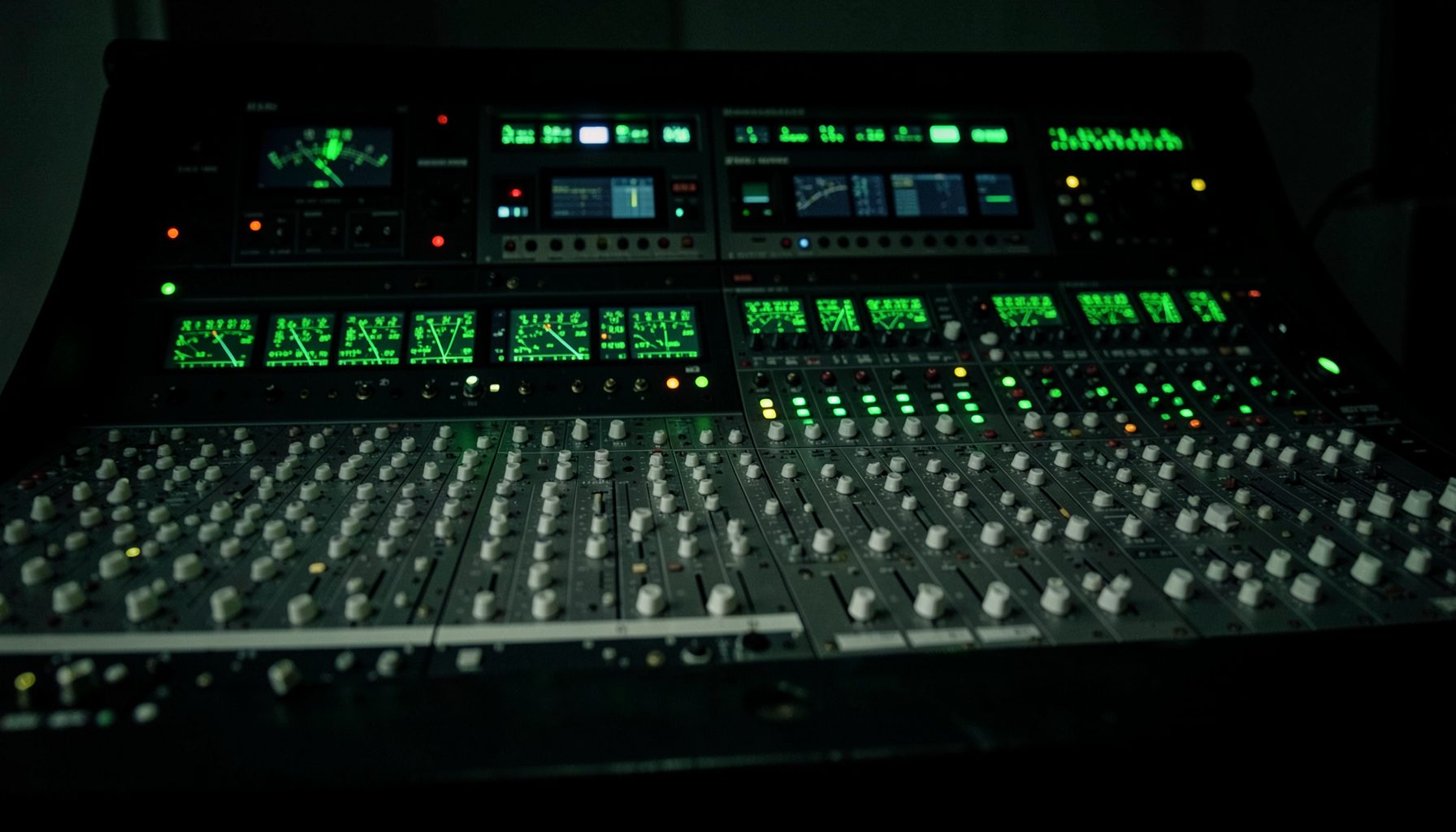
In the 1990s, SSL introduced the SL9000 J/K series as the successor to the 4000. Today, SSL continues to produce high-end consoles including the Duality and AWS900, which combine analog circuitry with DAW control capabilities.
The SL4000 remains popular on the second-hand market, though SSL no longer services these consoles — leading studios and engineers to combine parts from multiple units to keep them running.
Key SSL Innovations
- Total Recall — memorized the positions and settings of every knob and switch on the console, allowing engineers to instantly recall complete mixes.
- Ultimation — SSL's motorized fader automation system, enabling faders to physically move during playback for precise, repeatable mixes.
- G Series Computer — housed in a large 19-inch rack mount case with 5.25-inch disk drives, built around an 8-bit Zilog Z80 processor. It offered project management, VCA automation, moving fader support, and Total Recall.
- Stereo Bus Compressor — the legendary SSL bus compressor became a signature part of the SSL sound and is still emulated in plug-ins and outboard gear today.